Growing Vegetables in the British Climate — What Actually Works
Forget exotic varieties. Here are the vegetables that thrive in UK weather, why they work, and how to grow them reliably.

Why British-Grown Varieties Matter
The secret to reliable vegetable growing in the UK isn't fighting the climate — it's working with it. We've all seen the glossy seed packets with Mediterranean tomatoes and tropical peppers. But here's what actually happens: you spend three months nursing them along, and they produce half what the packet promises.
The good news? There are vegetables that genuinely thrive in British conditions. They're not exotic or fancy. They're the ones that have been grown here for centuries because they work. Carrots, parsnips, beetroot, kale, broad beans — these aren't backup options. They're the reliable choices that'll actually give you a harvest worth celebrating.
Root Vegetables That Never Disappoint
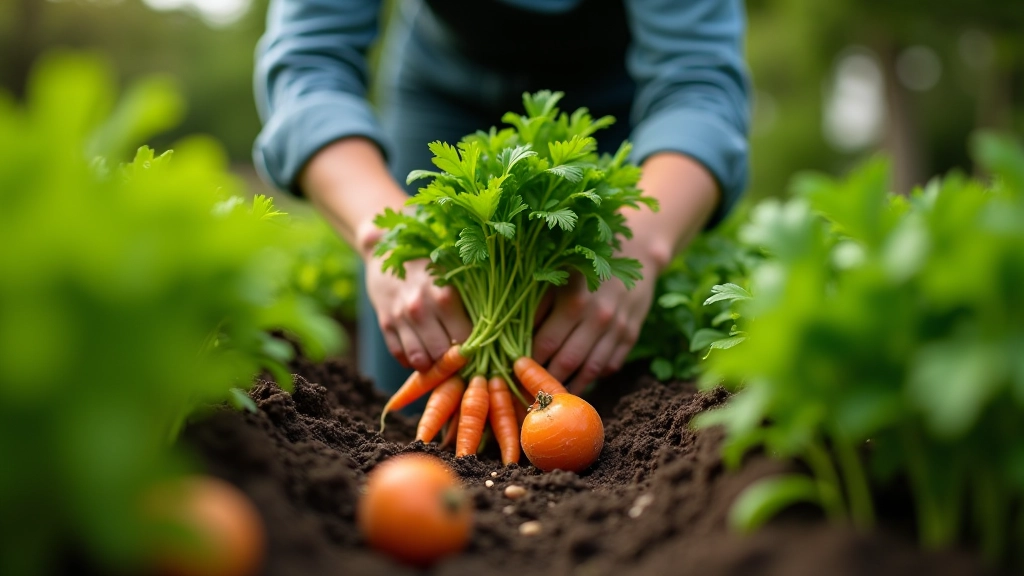
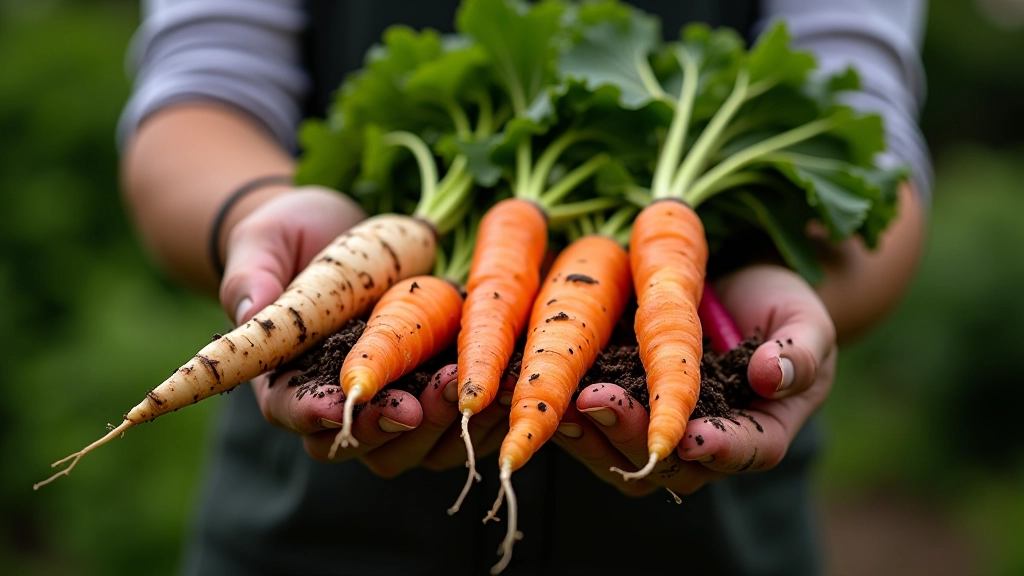
Carrots, parsnips, and beetroot are your foundation crops. They're hardy, they'll tolerate poor soil (though they prefer better), and they genuinely prefer cooler conditions. This is important — these vegetables don't just survive in UK weather, they actually thrive in it.
Plant carrots from March through to July. You'll get early varieties like Nantes in about 12 weeks, and maincrops like Chantenay or Autumn King in 14-16 weeks. The longer-growing varieties develop better flavor too — it's not just about speed. Parsnips take longer (20 weeks or so) but honestly, they're nearly foolproof once they're in the ground. You can literally forget about them and they'll be fine.
Beetroot sits somewhere in the middle. 8-12 weeks depending on variety. Plant from April onwards and you'll have fresh beetroot from summer right through autumn. The key thing is spacing — don't crowd them. Give each plant room and they'll reward you with decent-sized roots rather than marble-sized ones.
Pro tip: Sow carrots and parsnips directly into the soil rather than transplanting. They hate root disturbance, so start them where they'll finish.
Brassicas: Your Winter Workhorses
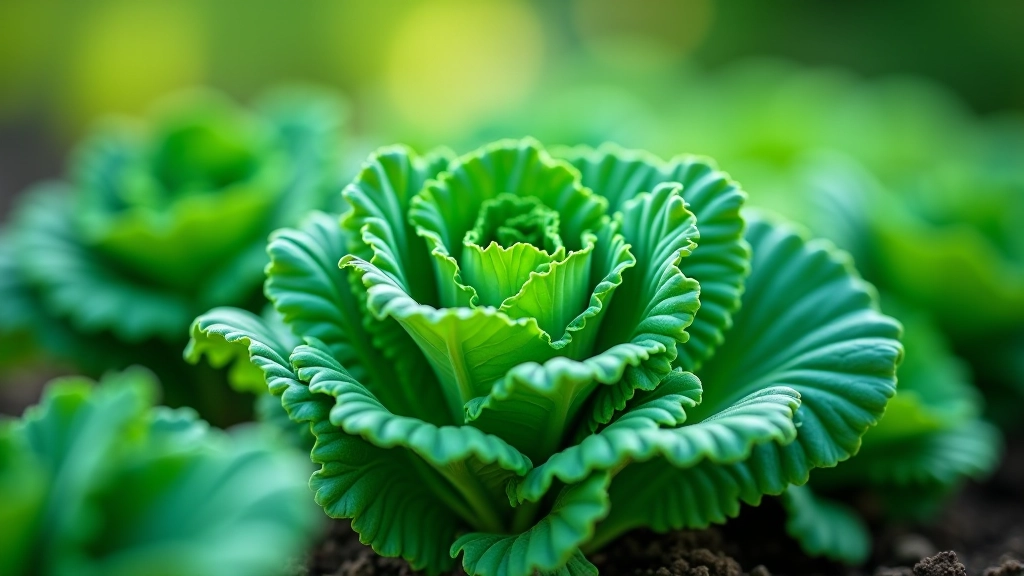
Kale, cabbage, broccoli, and cauliflower — these are the vegetables that'll keep producing when everything else has packed up for the season. You're looking at sowing in late spring (May through June) for autumn and winter harvests. That's genuinely the sweet spot for UK growing.
Kale is possibly the easiest. You'll get leaves 10-12 weeks after sowing. It'll keep going through winter — actual hard frosts don't kill it, they make it sweeter. Curly kale, lacinato, winterbor... pick whatever takes your fancy. They're all cold-hardy. The real trick is starting them off in decent conditions (not waterlogged soil) and protecting young plants from slugs.
Cabbage takes a bit longer but it's still reliable. 16-18 weeks for most varieties. Spring cabbages can be sown in late summer for next spring. It sounds complicated but it's just timing — sow when the seed packet says and you'll be fine. Broccoli and cauliflower need more attention to spacing and feeding, but they're not difficult. They just need consistent moisture and room to grow properly.
Real talk: Brassicas attract cabbage white butterflies. If you don't net them, you'll get caterpillars eating your plants. Mesh netting is cheap and it works — just use it.
Legumes and the Rest: Building Your Rotation
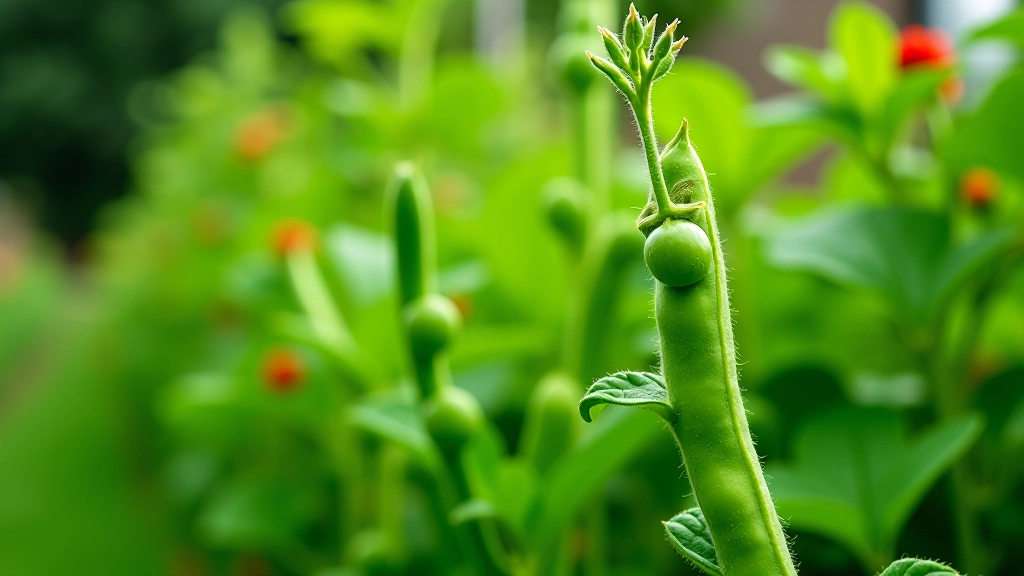
Broad beans, peas, and runner beans belong in every UK vegetable garden. Broad beans are planted in autumn (October through November) for spring harvest — yes, they'll sit through the winter. They're genuinely tough. Come April or May, they'll produce loads of beans. You'll get 3-4 months of picking if you've got enough plants.
Peas are almost as easy. Sow them in spring (February onwards) and you'll have pods ready in about 12 weeks. Sugar snap peas, mangetout, maincrop peas — pick the type you like eating. Runner beans come later (June onwards) once the soil's warm. They need support but they're prolific. One row of runner beans can feed a small family all summer.
Potatoes deserve a mention because they're foolproof. Plant seed potatoes in March or April (earlier in the south, later in Scotland). 10-12 weeks and you've got new potatoes. 16-20 weeks and you've got maincrop potatoes for storage. They'll tolerate poor soil, they don't need fancy care, and they actually improve your soil structure. That's a win.
Onions and garlic fit in too. Garlic gets planted in autumn, harvested in summer. Onions can be grown from seed or sets (small bulbs). Sets are easier — plant them in March, harvest in July or August. It's not complicated, just straightforward growing.
Growing Conditions and Regional Variation
This guide covers standard UK growing timings and conditions. However, growing seasons vary significantly across the UK. Northern regions, Scotland, and areas at altitude will have shorter growing seasons than southern England. The south coast can start earlier and finish later. Your local climate, soil type, and microclimate will affect actual results. For region-specific guidance, check seasonal calendars for your area — the RHS website has excellent resources broken down by region. Weather variation year to year also matters. Some seasons are warmer or wetter than others, which changes timing. Keep notes on what works in your specific location — you'll learn more from your own garden than from any guide.
The Simple Approach That Works
The best vegetables to grow in the British climate aren't secret. They're the ones that have been grown here for generations because they work reliably. Carrots, parsnips, beetroot, kale, cabbage, broad beans, peas, runner beans, potatoes — these aren't compromise choices. They're the strong foundation of any UK vegetable garden.
Start with a few of these. Get the timing right (seed packets tell you when). Give them decent soil and water. Protect them from pests where needed. That's genuinely it. You don't need special techniques or exotic varieties. Work with the British climate and you'll grow vegetables that actually taste better because they've developed in conditions that suit them.
Next step? Check the seasonal planting calendar for your specific region. Different parts of the UK have different optimal planting times. Once you know when to sow in your area, you're ready to start.
Related Reading