Starting Your First Allotment Plot — A Beginner's Checklist
Everything you need to know before breaking ground. Covers site selection, soil preparation, and initial planning.
Read ArticleRegional planting schedules that actually match your climate. Different zones need different timing — we've broken it down by region.

Plant at the wrong time and you're fighting uphill. We're not exaggerating — the difference between planting in late March versus mid-April can be the difference between a harvest and a washout. That's because the UK spans three distinct growing zones, each with its own frost dates, rainfall patterns, and temperature swings. Scotland gets its last frost around late May. Wales might be frost-free by mid-April. And England? That depends whether you're in Cornwall or Northumberland.
This isn't just about avoiding frost. It's about soil temperature, daylight hours, and when your crops actually have a fighting chance to establish themselves. Get these timings right and you'll spend less time troubleshooting and more time harvesting. That's the whole point.
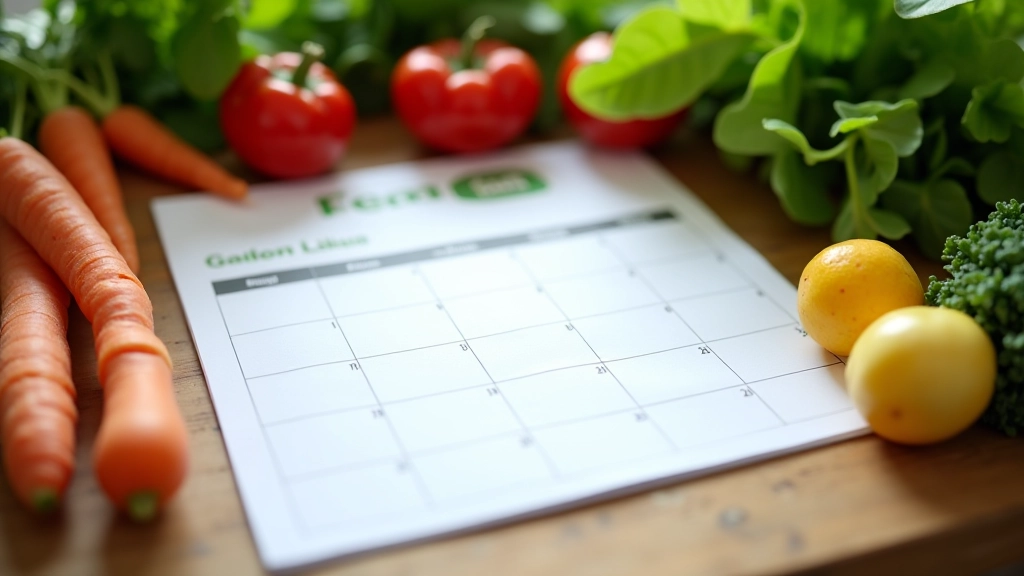
Most of England sits in USDA zone 8b-9a, which means you've got a genuinely long growing season. Your last frost typically falls between mid-April (south) and late May (north). This gives you real flexibility.
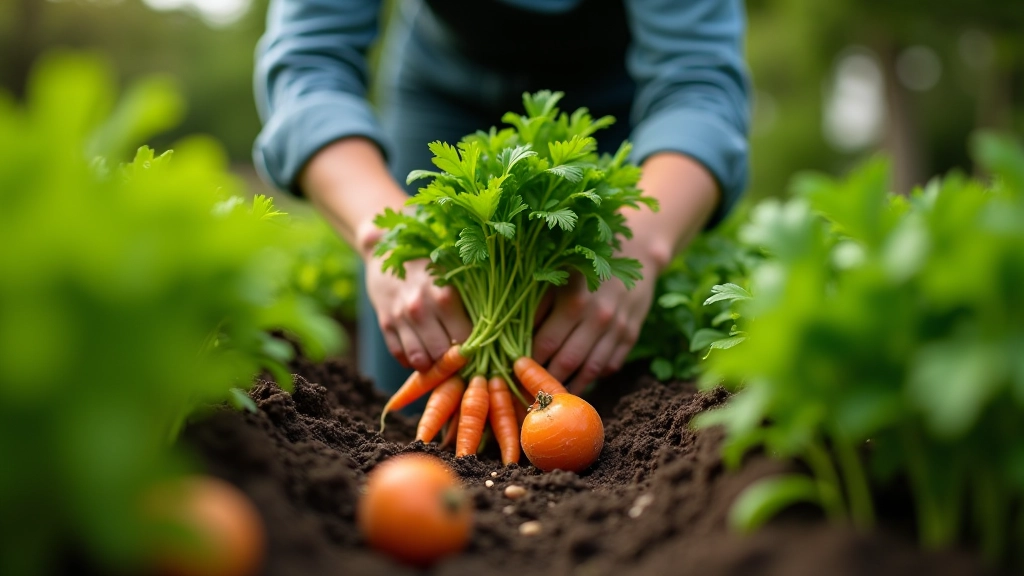
Spring crops like peas, broad beans, and onion sets go in from late February onwards. By March, you can direct sow carrots, parsnips, and beetroot. Early potatoes go in around St. Patrick's Day — that's mid-March. It's not a magic date, it's just reliable timing that's worked for generations.
Summer tender crops (tomatoes, courgettes, beans, squash) wait until late May when soil's properly warm. Don't rush these. Cold soil just rots the seed. Autumn crops like broccoli, cabbage, and kale sow in May-June for September-November harvest. It sounds counterintuitive until you realize you're planting for autumn weather, not spring.
Soil temperature matters more than air temperature. Wait until soil hits 13°C for most crops, 15°C for tender crops. A simple soil thermometer costs £8 and saves months of frustration.
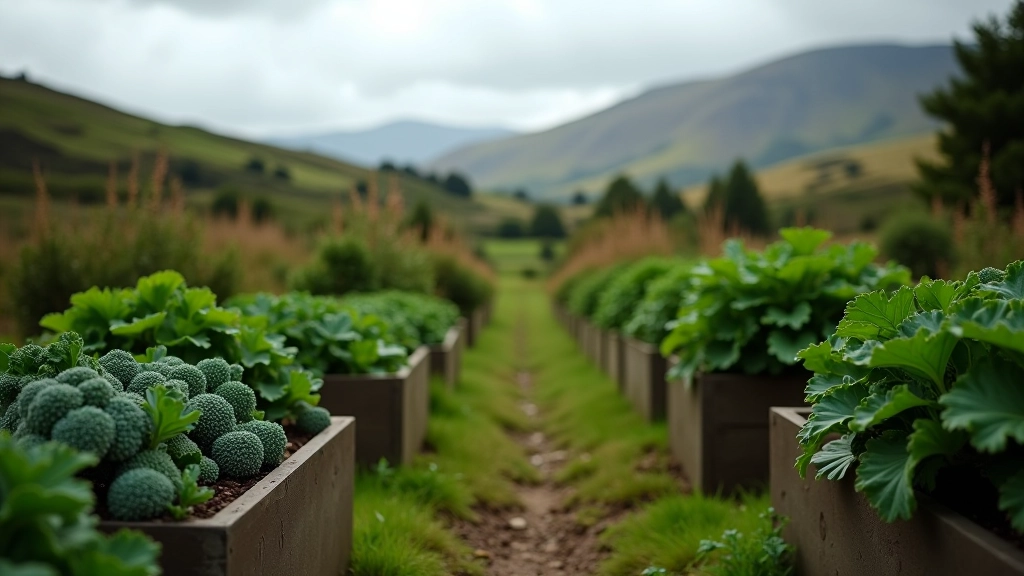
Scotland's growing season is real, but it's shorter and colder. You're looking at zone 7b-8a depending on location. Last frost dates range from mid-May in the south to early June in the north. That changes everything.
Early crops like onion sets, garlic, and broad beans go in autumn (October-November) or very early spring (late February). Peas sow in March. But tender crops? You're waiting until June. That sounds late, but it's absolutely normal. Your soil takes longer to warm. Fighting that is pointless.
Focus on crops that thrive in cooler climates: kale, chard, cabbage, leeks, beetroot. These aren't compromise crops — they're brilliant choices that'll outperform tender varieties in Scottish conditions. Potatoes do exceptionally well because the cooler weather means fewer pest issues. Plant main crops in April, harvest August-September. You'll get excellent yields.
Autumn planting is your secret weapon. Sow hardy brassicas in May-June for autumn harvest. They establish in summer warmth, then grow through autumn when pests naturally decline. It's genuinely clever growing, not a compromise.
Wales sits between England and Scotland, zone 8a-8b. But here's the thing — coastal areas get moderated by Atlantic influence. Inland valleys stay colder longer. That means your planting dates vary wildly depending on where you are.
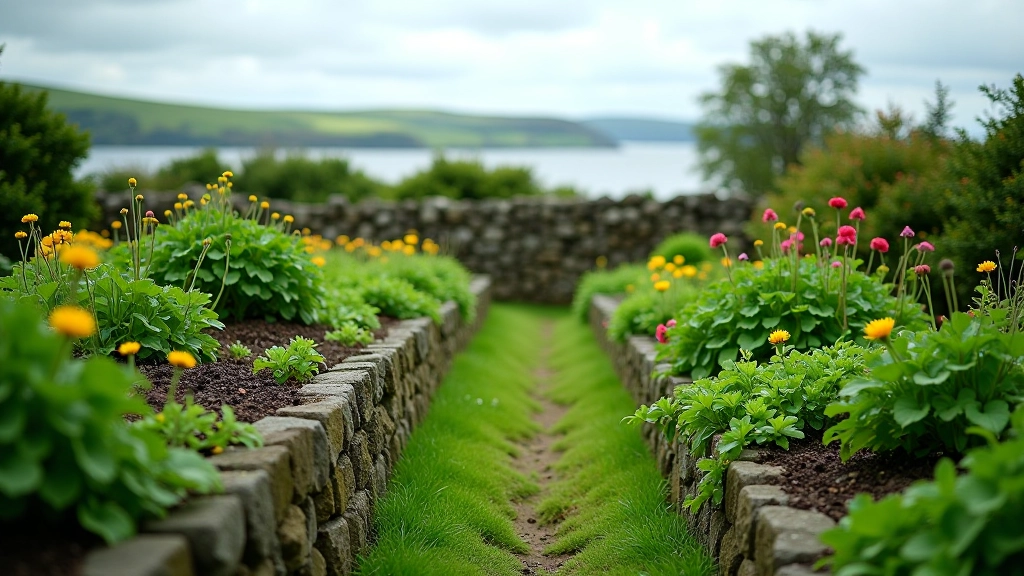
Coastal gardeners (Pembrokeshire, Anglesey) enjoy last frost dates around mid-April. Inland valleys (Brecon Beacons, mid-Wales) don't get reliable warmth until late May. Know your microclimate. Ask neighbors what they've planted successfully. Local knowledge beats any calendar.
Spring planting mirrors England generally — peas and beans in March, tender crops in late May. But Welsh gardens have one genuine advantage: excellent rainfall. You're rarely in drought. That means you can grow vegetables that prefer consistent moisture — runner beans, courgettes, pumpkins — without irrigation stress.
Here's where most people go wrong: they follow a calendar blindly. But calendars are rough guides, not commands. Your actual growing conditions matter infinitely more.
Find your local last frost date. It's not the average — it's the latest date frost typically occurs. Check the Met Office or ask your local gardening club. This single date anchors everything else.
Don't plant by the calendar. Plant by soil temperature. Get a soil thermometer (seriously, they're cheap). Wait for 13°C minimum for hardy crops, 15-16°C for tender crops. This prevents rotting seeds and failed germination.
Don't plant everything at once. Sow lettuce, beans, and carrots every 2-3 weeks from spring through summer. You'll have continuous harvests instead of feast-famine cycles.
Your garden's south-facing slope warms differently than your north-facing bed. Some spots get afternoon shade. Some are windier. These microclimates shift your planting dates by weeks. Observe them, adjust accordingly.
You don't need to memorize dates. You need to understand the logic. Every region follows the same principle: plant when soil's warm enough, not when the calendar says so.
Onion sets, broad beans, peas, early potatoes go in as soon as soil's workable. Hardy crops can handle cold nights. Tender crops wait for consistent warmth. England starts earlier, Scotland later.
This is harvest season for spring crops and growing season for summer crops. Tomatoes, courgettes, beans thrive. Succession sow lettuce and roots every 3 weeks. Most regions have similar conditions now.
Sow hardy brassicas now for autumn-winter harvest. Garlic and spring bulbs go in October. This is the second-best planting season. Fewer pests, good moisture, established crops thrive.
Harvest what you planted for autumn. Plan next year's layout. Tend garlic and overwintering crops. It's rest season for the soil and planning season for the gardener.
This guide covers the general UK regions, but microclimates, elevation, and soil type create significant local variations. Coastal gardens warm earlier than inland valleys. Higher elevations stay colder longer. Urban areas experience heat island effects. These calendars are starting points, not rules. Consult your local Met Office data, talk to experienced local gardeners, and most importantly, observe your own garden. What works for your neighbor three miles away might not work for you. That's not a failure of the calendar — it's the reality of gardening in diverse British climates.
The difference between a struggling garden and a thriving one often comes down to timing. You can have perfect soil, perfect sun, perfect everything — but plant at the wrong time and you're fighting physics. Get the timing right and everything else becomes easier.
Your region's calendar is there to guide you. Use it. But also watch your garden, check soil temperature, observe frost dates, and adjust for your specific conditions. That's not overthinking it — that's how gardeners have always worked. The calendar is the map. Your garden is the territory. Pay attention to the territory.