RHS Growing Guides — What Beginners Actually Need to Know
We've distilled the key RHS principles for UK gardeners. Focus on what matters most when you're just starting out.

The RHS (Royal Horticultural Society) guidelines aren't complicated — they're just practical. When you're starting out, you don't need every trick in the book. You need the foundations that actually work in British weather.
We're going to walk through the core principles the RHS emphasizes for beginners. These aren't fancy techniques. They're the things that'll make your garden productive, save you money, and honestly, make the whole thing less stressful.

Start with Your Soil
This is the first thing the RHS will tell you, and there's a reason. Your soil is everything. You can have perfect sunlight and the right seeds, but if your soil's poor, you're fighting uphill.
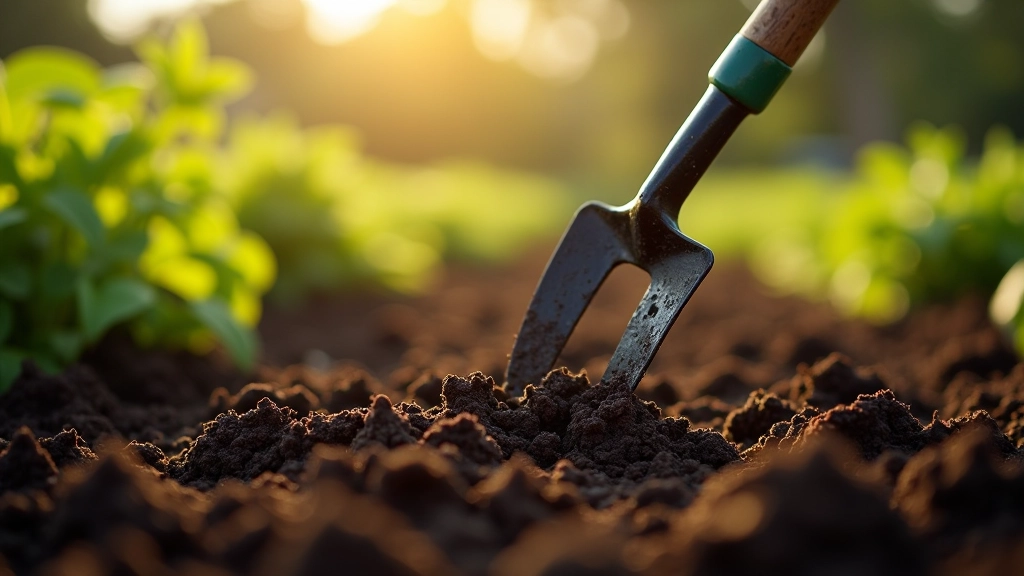
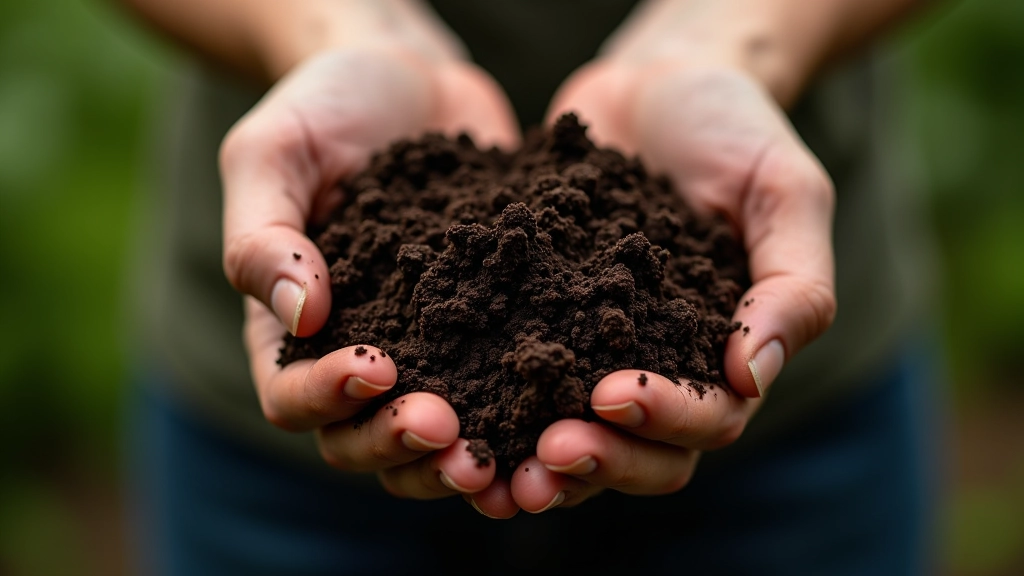
The basics: Get your soil tested if possible. It's not expensive. You'll find out what you're working with — clay-heavy, sandy, or somewhere in between. Most UK soils need organic matter added. That means compost, well-rotted manure, or leaf mould worked in before planting.
For first-year beds, aim for 5-7cm of compost mixed into the top 20-30cm of existing soil. That's about what you'll need. It doesn't have to be perfect — just get something in there.
Location and Sunlight Matter More Than You Think
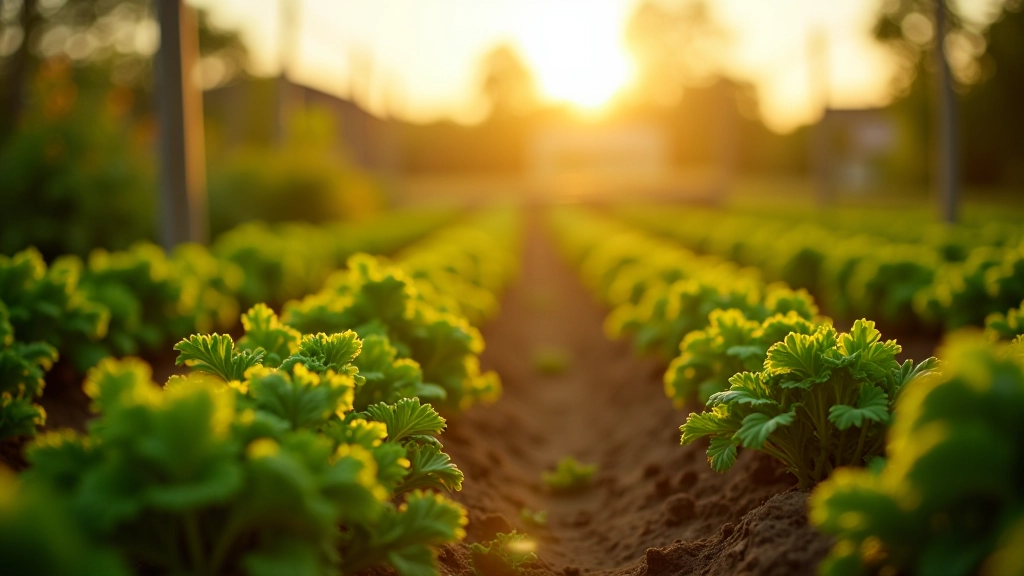
You'll hear this from the RHS constantly: most vegetables need 6-8 hours of direct sunlight daily. Not shade. Not partial shade. Real, unobstructed sun.
Before you commit to a plot, watch it across a week. Where's the shadow from trees? From buildings? Note the early morning sun and late afternoon shade. This matters because shaded spots won't warm up properly, and that affects everything — from growth speed to disease prevention.
Wind exposure also matters. Exposed plots dry out faster and stress plants. A windbreak of taller plants or a simple fence helps. It's not essential, but it makes a genuine difference in coastal areas or exposed gardens.
Watering Is a Skill, Not Magic
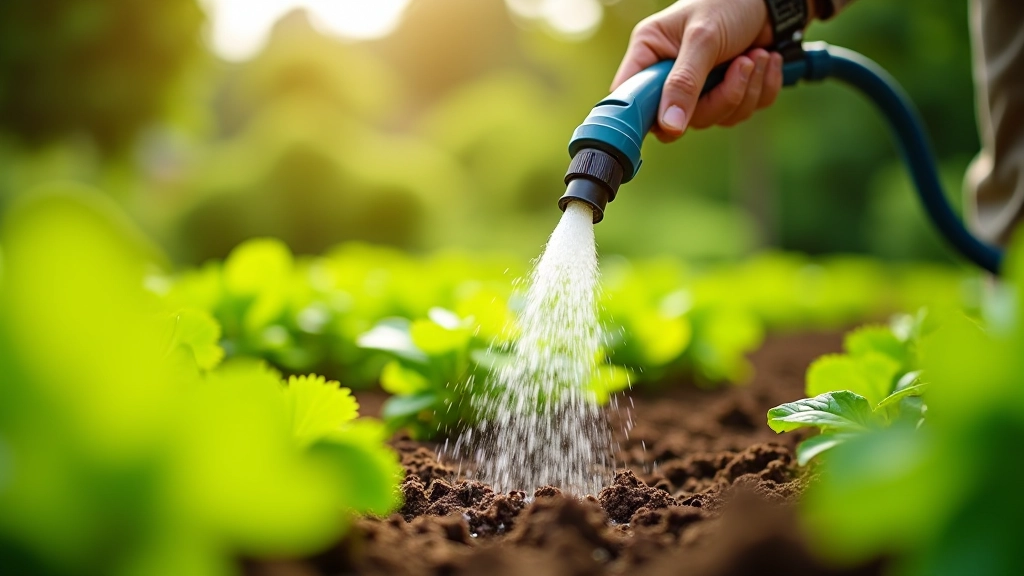
The RHS approach to watering is straightforward: deep watering less often beats shallow watering daily. Most beginners overwater or water at the wrong time.
Here's what works: Water in early morning or evening. Avoid midday when evaporation peaks. Aim for soil moisture 5-7cm deep — not soaking wet, not dust-dry. You'll develop a feel for this within a few weeks.
Pro tip: Mulch around plants with 5cm of compost or straw. It keeps moisture in, keeps weeds down, and feeds the soil as it breaks down. That's the RHS approach in one small action.
Plan Your Planting
The RHS recommends crop rotation and succession planting. Don't plant everything at once and expect harvests all summer. It doesn't work that way.
Crop Rotation
Move plant families around your beds each year. Don't grow tomatoes in the same spot year after year. It depletes specific nutrients and encourages pests. A simple 3-year rotation keeps soil balanced and reduces problems.
Succession Planting
Plant lettuce every 2 weeks instead of all at once. Plant beans in early June and again in mid-July. This gives you harvests throughout the season, not a glut in August and nothing in September.
Seasonal Timing
The RHS seasonal calendars show what to plant when in your region. Don't fight the weather. Plant spring crops in March, summer crops in May-June, autumn crops in July-August. Work with British seasons, not against them.
Pest and Disease Prevention Beats Treatment
The RHS doesn't start with sprays. It starts with prevention. Keep your plants healthy, remove dead leaves, space plants properly for airflow, and you've prevented most problems before they start.
Healthy soil grows healthy plants. Healthy plants resist pests and diseases far better than stressed ones. It's that simple. When you do get problems — and you will — the RHS approach is always to identify what it is first. Half the time beginners treat the wrong problem with the wrong solution.
Netting for cabbage whites, slug barriers, removing affected leaves — these low-tech solutions work brilliantly and cost nothing. Use them before reaching for chemicals.

Information Disclaimer
This guide presents educational information based on RHS growing principles for UK gardeners. Growing conditions vary by location, soil type, and microclimate. Always consult current RHS resources and local gardening advice for your specific region. Individual results depend on local weather, soil preparation, and care practices. This is informational content intended to help beginners understand foundational gardening concepts — not a substitute for hands-on learning or professional horticultural advice.
Getting Started Is Simpler Than It Sounds
The RHS philosophy for beginners boils down to this: Get your soil right, give plants sun and water, plan ahead, and prevent problems. There's no magic formula. There's no secret trick. It's just doing the basics properly.
Your first year won't be perfect. You'll make mistakes. That's fine — everyone does. But if you focus on these core principles, you'll have a productive garden and learn far more from the experience than you would from chasing complicated techniques.
Start small. Start simple. Let the garden teach you what works in your space. That's the RHS way, and it's the approach that actually works for beginners.
Related Guides